
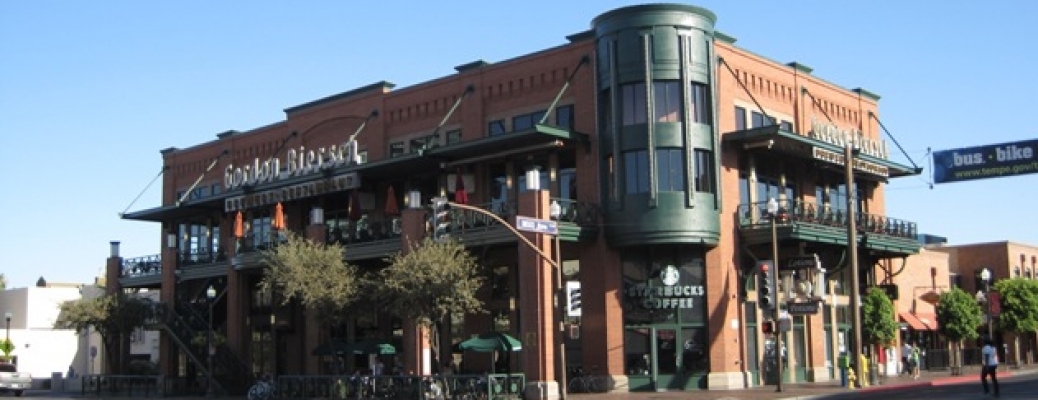


BUY OR SELL A RESTAURANT OR BAR IN PRESCOTT VALLEY ARIZONA




Prescott Valley Restaurant Broker for Restaurants, Bars & Hospitality Businesses
Prescott Valley is a growing Northern Arizona restaurant and hospitality market serving local residents, families, retirees, regional visitors, and customers from the greater Prescott area. Restaurant transactions in Prescott Valley often involve neighborhood restaurants, bars and grills, cafes, breakfast and lunch concepts, quick-service restaurants, franchise resales, asset-sale restaurant spaces, and hospitality businesses positioned around local and regional demand.
Arizona Restaurant Sales helps Prescott Valley restaurant owners and buyers evaluate, market, negotiate, and complete restaurant, bar, liquor license, and hospitality business transactions.
Selling a Restaurant in Prescott Valley
Selling a restaurant in Prescott Valley requires careful preparation and local market positioning. Buyers may be attracted to the area’s population growth, regional draw, lifestyle appeal, and connection to the broader Prescott market. However, buyers will still closely review financial performance, lease terms, rent, equipment condition, staffing, owner involvement, liquor license status, and whether the business can successfully transition after closing.
Prescott Valley restaurant owners should prepare for buyer questions such as:
- Are sales stable, growing, or seasonal?
- What are the true owner benefits or seller’s discretionary earnings?
- How much revenue comes from local residents, visitors, or repeat customers?
- Is the owner involved in daily operations?
- Are trained employees or managers expected to remain after closing?
- Is the lease assignable?
- How much lease term remains?
- Are renewal options available?
- Is rent sustainable based on current sales?
- Is a liquor license included in the sale?
- Are financial records clean and verifiable?
- What equipment, furniture, fixtures, and leasehold improvements are included?
A well-prepared seller can create stronger buyer confidence, reduce due diligence delays, and improve the likelihood of a successful closing.
Buying a Restaurant in Prescott Valley
Prescott Valley restaurant buyers may include local owner-operators, first-time restaurant buyers, expanding restaurant groups, franchise buyers, semi-retired lifestyle buyers, and investors seeking opportunities in Northern Arizona. Some buyers may want a profitable operating restaurant with established cash flow. Others may be looking for a turnkey asset sale with existing equipment, furniture, fixtures, buildout, and leasehold improvements.
Common Prescott Valley restaurant acquisition opportunities include:
- Neighborhood restaurants
- Bars and grills
- Breakfast and lunch restaurants
- Cafes and coffee shops
- Casual dining concepts
- Quick-service restaurants
- Fast-casual restaurants
- Franchise resales
- Asset-sale restaurant spaces
- Restaurants with patios
- Restaurants with liquor licenses
- Second-generation restaurant spaces
- Hospitality-related food businesses
Buyers should carefully evaluate sales trends, lease terms, staffing availability, equipment condition, customer mix, nearby competition, visibility, parking, and whether the business can continue operating successfully under new ownership.
Prescott Valley Restaurant Valuation Factors
Restaurant value in Prescott Valley is typically driven by cash flow, lease security, location quality, transferability, and buyer demand. Because Prescott Valley serves a mix of local residents, families, retirees, and regional visitors, buyers often look closely at monthly sales patterns, customer mix, local reputation, and whether the business has a durable operating model.
Important valuation factors include:
- Seller’s discretionary earnings
- Revenue trends
- Monthly sales patterns
- Local versus visitor-driven revenue
- Lease term and renewal options
- Rent as a percentage of sales
- Equipment and buildout condition
- Staff stability
- Owner involvement
- Liquor license type and transferability
- Online reviews and brand reputation
- Visibility, signage, and parking
- Proximity to residential growth, retail centers, entertainment venues, and traffic corridors
- Growth potential
A Prescott Valley restaurant with clean financial records, reasonable rent, trained employees, and a transferable operating model will generally be more attractive to qualified buyers.
Lease and Landlord Approval Issues
Most Prescott Valley restaurant sales involve leased premises, which makes the lease one of the most important parts of the transaction. A restaurant may have strong sales, but a short lease, high rent, restrictive use clause, limited renewal options, or difficult assignment provision can reduce buyer interest or create financing challenges.
Key lease issues include:
- Remaining lease term
- Renewal options
- Assignment rights
- Landlord consent requirements
- Personal guarantee requirements
- Rent increases
- CAM charges and other occupancy costs
- Permitted use language
- Exclusivity or restriction clauses
- Patio, signage, and parking rights
- Whether the buyer must qualify financially with the landlord
Arizona Restaurant Sales helps buyers and sellers identify lease issues early so they can be addressed before they delay or jeopardize the transaction.
Liquor License Considerations in Prescott Valley
Bars, grills, full-service restaurants, and hospitality businesses in Prescott Valley may include an Arizona liquor license as part of the sale. Liquor licensing can affect value, buyer qualification, transaction timing, and closing structure.
Buyers and sellers should consider:
- License type
- Whether the license is owned, leased, or included in the business sale
- Transferability
- Buyer qualifications
- Interim permit availability
- Arizona Department of Liquor Licenses and Control requirements
- Local approval requirements
- Whether the license has separate market value
- Whether the concept depends on alcohol sales
A liquor license can be a meaningful asset in a restaurant or bar sale, particularly for full-service restaurants, taverns, bars and grills, and hospitality concepts. It should be reviewed early in the transaction process to avoid closing delays.
Confidential Restaurant Sales in Prescott Valley
Confidentiality is especially important in regional markets like Prescott Valley and the greater Prescott area. Employees, customers, landlords, vendors, competitors, and nearby business owners may quickly become aware of a potential sale if the process is not properly controlled. Premature disclosure can disrupt operations, create employee uncertainty, alert competitors, and weaken the seller’s negotiating position.
Arizona Restaurant Sales uses a confidential marketing process designed to protect the business while still reaching qualified buyers. This may include:
- Blind marketing materials
- Buyer screening
- NDA execution
- Controlled disclosure of financial and operational information
- Seller-approved buyer introductions
- Confidential showings
- Coordinated landlord communication
- Organized due diligence process
The goal is to generate serious buyer interest without disrupting employees, customers, vendors, landlords, or daily operations.
Why Work With a Prescott Valley Restaurant Broker?
Restaurant transactions are different from general business sales. Buyers are evaluating more than income. They are reviewing the lease, equipment, staff, menu, licenses, location, customer base, online reputation, and transition risk. Sellers need a broker who understands how these details affect value, buyer demand, due diligence, financing, and closing probability.
Arizona Restaurant Sales assists Prescott Valley restaurant owners with:
- Restaurant valuation
- Confidential sale preparation
- Buyer screening
- Marketing package preparation
- Offer negotiation
- Due diligence coordination
- Lease assignment issues
- Liquor license transfer considerations
- Closing coordination
Whether the transaction involves a profitable restaurant, bar, cafe, franchise resale, asset sale, or hospitality business, a restaurant-focused brokerage process can help protect the seller and create a smoother transaction.
Work With a Prescott Valley Restaurant Broker
Whether you are thinking about selling your Prescott Valley restaurant, buying a restaurant in Northern Arizona, valuing a bar, or evaluating a liquor license transaction, Arizona Restaurant Sales provides restaurant-specific transaction guidance throughout the process.
Thinking About Selling Your Prescott Valley Restaurant or Bar?
Arizona Restaurant Sales helps restaurant and bar owners confidentially value, market, negotiate, and sell hospitality businesses throughout Prescott Valley, Arizona.
Arizona Restaurant Sales
(928)268-3420