

11 Aug Turnkey Restaurant for Sale Phoenix Buyer Checklist
A restaurant can look ready to operate on day one and still carry problems that take months to uncover. For buyers searching “turnkey restaurant for sale Phoenix,” the real opportunity is not simply finding a built-out dining room with equipment in place. It is acquiring a business whose lease, cash flow, assets, licenses, staff, and operating model can transfer without creating an expensive restart.
A true turnkey acquisition can shorten the path to ownership, especially compared with building a restaurant from a vacant retail space. But “turnkey” is a description, not a guarantee. Buyers still need to verify what is operating, what is transferable, and what will require additional capital after closing.
What Turnkey Should Mean in a Restaurant Sale
At a minimum, a turnkey restaurant should have a functioning kitchen, installed furniture and fixtures, point-of-sale systems, a current operating location, and an identifiable concept. Depending on the transaction, it may also include inventory, recipes, branding, social accounts, trained employees, vendor relationships, and active liquor privileges.
The details matter. A fully equipped restaurant space that has been closed for six months is different from an operating restaurant with repeat customers and documented sales. Both may be marketed as turnkey, but they present different risk profiles and should be priced differently.
A buyer should first determine whether the purchase is primarily an asset sale or an operating-business acquisition. In an asset sale, the value may be concentrated in the equipment, leasehold improvements, furniture, and location. In an operating-business acquisition, the buyer is also paying for goodwill, demonstrated revenue, systems, customer demand, and a transition that preserves business continuity.
Neither structure is inherently better. An experienced operator may see value in a well-located asset purchase that allows a new concept. A first-time buyer may place greater value on an established operation with a staff, menu, and sales history already in place.
Start With the Lease, Not the Menu
In Phoenix Metro, the lease can be one of the most valuable parts of a restaurant transaction. A strong concept cannot overcome an unworkable occupancy cost, a short remaining term, or a landlord who will not approve the assignment.
Review the base rent, common area charges, annual increases, remaining lease term, renewal options, personal guarantee requirements, permitted use language, and assignment provisions. Confirm whether the landlord will require financial statements, restaurant operating experience, additional security, or changes to the existing lease terms.
The restaurant’s visible location also deserves a practical review. Traffic counts and nearby rooftops can be useful, but they do not replace observing the center at lunch, dinner, and weekends. Look at parking, access points, signage visibility, neighboring tenants, delivery-driver flow, and whether the concept fits the immediate trade area.
A buyer should not assume a favorable lease transfers automatically with the business. Landlord consent is often a closing condition. If the location is central to the value of the deal, obtain clarity early rather than treating lease approval as paperwork to handle at the end.
Verify the Financial Story Behind the Listing
Asking price and stated sales are only the beginning. A restaurant can produce impressive gross revenue while leaving little owner benefit after payroll, food cost, rent, repairs, delivery commissions, and debt service.
Request records that allow you to compare reported sales with operational reality. The most useful package generally includes profit and loss statements, sales-tax filings, point-of-sale reports, bank statements, payroll records, vendor invoices, and current occupancy statements. Tax returns may also be relevant, particularly when evaluating a mature operating business.
Look for consistency across the documents. Do point-of-sale sales align with bank deposits? Do food and beverage costs make sense for the restaurant’s category? Is labor stable, or has overtime and turnover increased? Are delivery sales growing profitably, or are third-party commissions eroding margins?
Seller add-backs require careful judgment. Some expenses may be legitimate discretionary owner costs that a new operator will not incur. Others may be ongoing expenses described too generously. A buyer should understand the normalized cash flow after accounting for a reasonable manager or owner-operator role.
The best deal for an owner-operator is not always the best deal for an investor. If the seller works 60 hours a week, a buyer planning to hire a general manager must account for that added payroll. If the buyer will personally manage the business, the return may look substantially different.
Inspect Equipment as an Operating System
A kitchen inventory is not just a list of used assets. It is a map of what the restaurant can produce and what it may cost to maintain. Walk the kitchen with an experienced operator, technician, or contractor when appropriate. Test major equipment rather than relying solely on an inventory sheet.
Pay particular attention to refrigeration, ice machines, HVAC, hood and fire-suppression systems, grease interceptors, dish machines, walk-ins, and the point-of-sale system. Deferred maintenance in these areas can turn an otherwise attractive acquisition into a capital project immediately after closing.
Ask which items are owned, leased, financed, or on service contracts. A leased beverage system or point-of-sale terminal may require separate approval or replacement. Confirm that all equipment included in the purchase is specifically identified in the asset schedule.
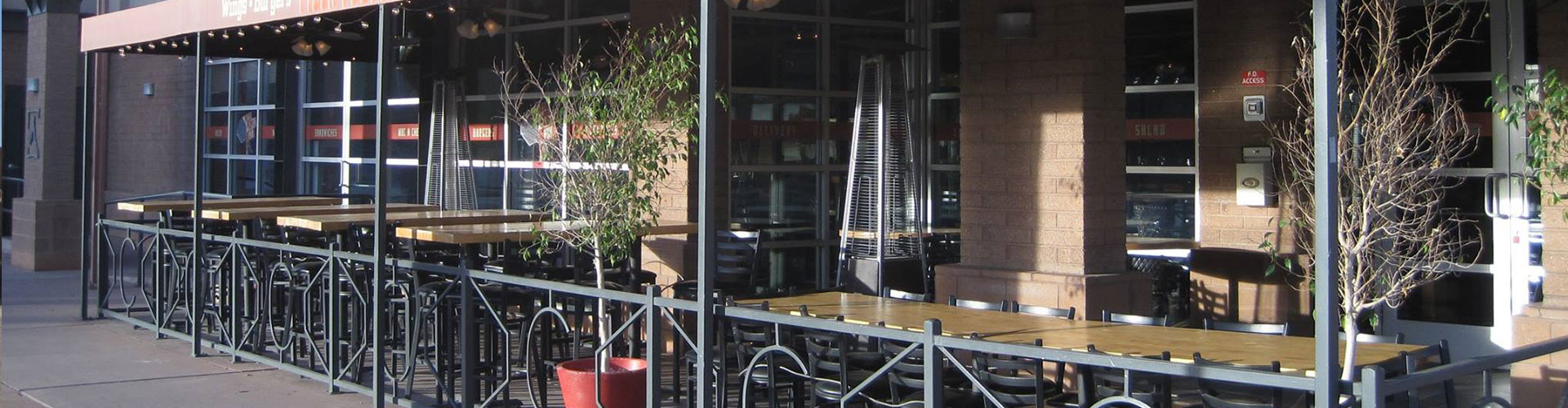
The dining room should receive the same scrutiny. Seating condition, restrooms, lighting, patio assets, signage, sound systems, and bar equipment affect reopening costs, guest perception, and code compliance. A location can be operational without being market-ready for the concept you intend to run.
Know Exactly What Transfers at Closing
Turnkey deals become difficult when the buyer and seller have different assumptions about what is included. The purchase agreement should clearly address assets, inventory, deposits, intellectual property, customer data where permitted, gift cards, vendor arrangements, prepaid expenses, and employee transition.
Liquor licensing deserves special attention for bar-forward concepts and restaurants with meaningful alcohol sales. The transfer process, timing, and required approvals can affect the closing date and operating plan. Do not assume a liquor license or permit transfers with the business simply because it is part of the current operation.
Inventory is another common point of friction. Decide whether food, alcohol, paper goods, and smallwares are included in the price or counted separately at closing. A practical inventory count protects both sides and prevents an argument over supplies after possession changes hands.
Seller training should also be defined. A few days of introductions may be adequate for a straightforward counter-service concept. A full-service restaurant with private events, catering, specialized recipes, or complex vendor programs may justify a longer transition period. The goal is not to keep the seller involved indefinitely. It is to transfer the knowledge that keeps the operation functioning on Monday morning.
Match the Opportunity to Your Operating Plan
A buyer should be able to explain how the restaurant will perform under new ownership before making an offer. Will the current menu remain? Will the buyer preserve staff or bring in a new management team? Is there a plan to extend hours, improve catering, adjust pricing, add alcohol sales, or reduce labor inefficiencies?
Avoid building the purchase price around improvements that have not yet happened. A patio expansion, new delivery channel, revised menu, or stronger social presence may create upside, but the acquisition should still make sense based on current, verifiable performance and a realistic capital budget.
For first-time buyers, a simpler operation with clear systems may offer a better entry point than a larger, more fashionable concept with complicated labor and inventory demands. For established operators, a conversion opportunity or underperforming location may be more attractive because they already have purchasing power, management infrastructure, and proven operating procedures.
A Disciplined Path to an Offer
Before submitting an offer, align the price, financing plan, lease approval process, diligence period, inventory treatment, and closing conditions. Restaurant transactions move more efficiently when the buyer can show financial readiness and a clear plan for lender, landlord, and licensing requirements.
Use the diligence period to investigate, not to renegotiate without cause. If the records, equipment condition, or lease terms differ materially from what was represented, address the issue directly and support any requested adjustment with facts. That approach protects credibility and keeps the transaction focused on solvable issues.
Arizona Restaurant Sales works with buyers who understand that a restaurant acquisition is both a financial decision and an operating commitment. The right turnkey opportunity is one where the documented business, transferable assets, and your own plan for ownership all point in the same direction. When those pieces align, you are not just buying a ready-made restaurant – you are buying a workable starting position.