


27 Aug Turnkey Restaurant Versus Franchise – Which Fits?
A buyer looking at a turnkey restaurant versus franchise is not choosing between an easy deal and a hard deal. They are choosing where the risk sits. A turnkey independent restaurant can offer an established location, staff, equipment, and local customer base. A franchise can offer a recognized name, operating systems, and brand standards. Either can be a strong acquisition, but only when the financials, lease, and operating fit support the asking price.
For Arizona buyers, the decision often comes down to how much freedom they want, how much structure they need, and whether they are buying proven cash flow or paying for a concept that still must be built.
Turnkey Restaurant Versus Franchise: The Core Difference
A turnkey restaurant is generally an operating restaurant being sold as a going concern. The buyer takes over an existing business, usually including furniture, fixtures, equipment, inventory, recipes or intellectual property where applicable, the leasehold interest, and the ability to continue operations with minimal interruption. It may be a neighborhood café, quick-service concept, full-service restaurant, bar, or multi-unit local brand.
“Turnkey” is a useful description, but it is not a guarantee. A restaurant may have a fully equipped kitchen and an attractive dining room yet still need working capital, a new management team, menu changes, deferred maintenance, or a lease extension. Buyers should treat the term as a starting point for due diligence, not a substitute for it.
A franchise is a business operated under a franchisor’s brand, system, and rules. The franchisee typically pays an initial franchise fee, ongoing royalties, and a marketing contribution. In return, the franchisee receives rights to use the name, menu or product system, operating procedures, training, and brand support. The business may be a new build-out or an existing franchise resale.
That last distinction matters. An existing franchise resale may look much like a turnkey acquisition because it can include current staff, revenue, equipment, and a lease. The difference is that the buyer must also satisfy the franchisor’s transfer requirements and agree to the franchise agreement.
What You Are Actually Buying
In an independent turnkey acquisition, value is usually tied to verified earnings, location strength, transferable lease terms, condition of assets, liquor-license considerations, and the restaurant’s local reputation. The buyer has more room to change pricing, vendors, menu direction, service model, and marketing after closing.
With a franchise, some value comes from the same hard assets and cash flow, but part of the purchase price may reflect brand recognition, protected territory, established systems, and a customer expectation that can travel across markets. Those benefits can reduce the learning curve for a first-time operator. They also limit how far the buyer can depart from the franchisor’s playbook.
Neither model is automatically safer. A well-run independent restaurant with several years of consistent financial performance can be more predictable than a new franchise opening in an unproven trade area. Conversely, a disciplined franchise system may be a better fit for a buyer who has capital and management ability but limited restaurant operating experience.
Cost Is More Than the Purchase Price
Buyers often compare the asking price of an independent restaurant with the franchise fee for a new concept and miss the larger capital picture. The right comparison includes total cash required through stabilization.
For a turnkey restaurant, that number may include the down payment, closing costs, inventory, lease deposit, transfer fees, working capital, repairs, payroll coverage, and funds for a post-close transition. If the business has been underinvested, equipment replacement and facility improvements can materially change the deal economics.
For a franchise, the capital stack may include the franchise fee, real estate costs, construction, equipment, signage, pre-opening payroll, training travel, opening inventory, technology fees, initial marketing, royalties, and required reserves. A new unit may take months to reach mature sales levels, even under a recognized brand.
An existing franchise resale can avoid some construction and opening risk, but it may carry transfer fees, required remodels, technology upgrades, or a short remaining franchise term. Buyers should ask whether the franchisor requires a refresh as a condition of approval. A lower purchase price is not a bargain if the required capital improvements are substantial.
Control, Systems, and Daily Operations
The strongest argument for a franchise is repeatability. The operating model is defined: approved products, suppliers, training methods, uniforms, pricing guidance, point-of-sale systems, marketing standards, and reporting requirements. For an investor building a multi-unit portfolio, that consistency can be valuable.
The trade-off is control. Franchisees generally cannot simply add a popular local item, switch to a lower-cost vendor, change the restaurant design, or launch an independent promotion without approval. Those restrictions protect the brand, but they can frustrate an experienced operator who sees a better way to serve a particular market.
A turnkey independent restaurant provides more discretion. In Phoenix Metro, for example, an operator may adjust menu mix, hours, delivery strategy, catering, patio service, or bar program to match the neighborhood. That flexibility can create upside. It also places responsibility for every decision on the owner, including decisions a franchisor would otherwise make or test for the system.
Buyers should be honest about their operating style. A hands-on chef-owner, hospitality entrepreneur, or local concept builder may value independence. A manager with strong execution skills who prefers established procedures may benefit from a franchise framework.
Due Diligence Changes With Each Deal
The financial review is essential in both transactions. Review federal and state tax returns, profit and loss statements, sales-tax reports, point-of-sale data, payroll records, merchant-processing statements, vendor invoices, and bank activity. The objective is to reconcile reported sales and determine normalized owner benefit or cash flow.
In a turnkey deal, focus closely on transferability. Can the landlord assign the lease, and on what terms? Is there enough remaining term and renewal option value to support the investment? Are key employees likely to stay? Are permits, licenses, vendor relationships, recipes, trade names, and online accounts transferable? If alcohol is part of the revenue model, understand the applicable Arizona liquor-license structure and timing before assuming continuity.
For a franchise resale, add a second layer of review. Read the franchise disclosure document and franchise agreement carefully. Confirm royalty and advertising obligations, renewal terms, territory rights, supplier restrictions, remodel requirements, default provisions, transfer fees, and personal guarantee exposure. The franchisor’s approval process may include financial qualification, interviews, training, and operational experience requirements.
Do not rely solely on the seller’s explanation of why a unit is performing well or poorly. Ask what has changed in rent, labor, food cost, nearby competition, traffic patterns, and management. A restaurant’s numbers tell a story, but the buyer needs to understand whether that story is repeatable after ownership changes.
Financing and Deal Structure Matter
Many restaurant sales are asset purchases, meaning the buyer acquires selected business assets rather than the seller’s legal entity. This can help limit exposure to historical liabilities, but the transaction still requires careful review of liens, taxes, contracts, employment obligations, and lease commitments.
Lenders may view a profitable, established operation differently from a startup franchise. A turnkey business with clean records and dependable seller-discretionary earnings can be more financeable than a concept with projected revenue only. On the other hand, certain franchise brands may have lender familiarity that supports financing when the buyer meets the system’s requirements.
Seller financing can also affect the equation. When a seller carries a portion of the price, it may improve buyer leverage and signal confidence in the restaurant’s continuing performance. It does not remove the need for diligence. The note terms, security interest, subordination requirements, and contingency periods must work with the buyer’s financing and transition plan.
When Each Option Usually Makes Sense
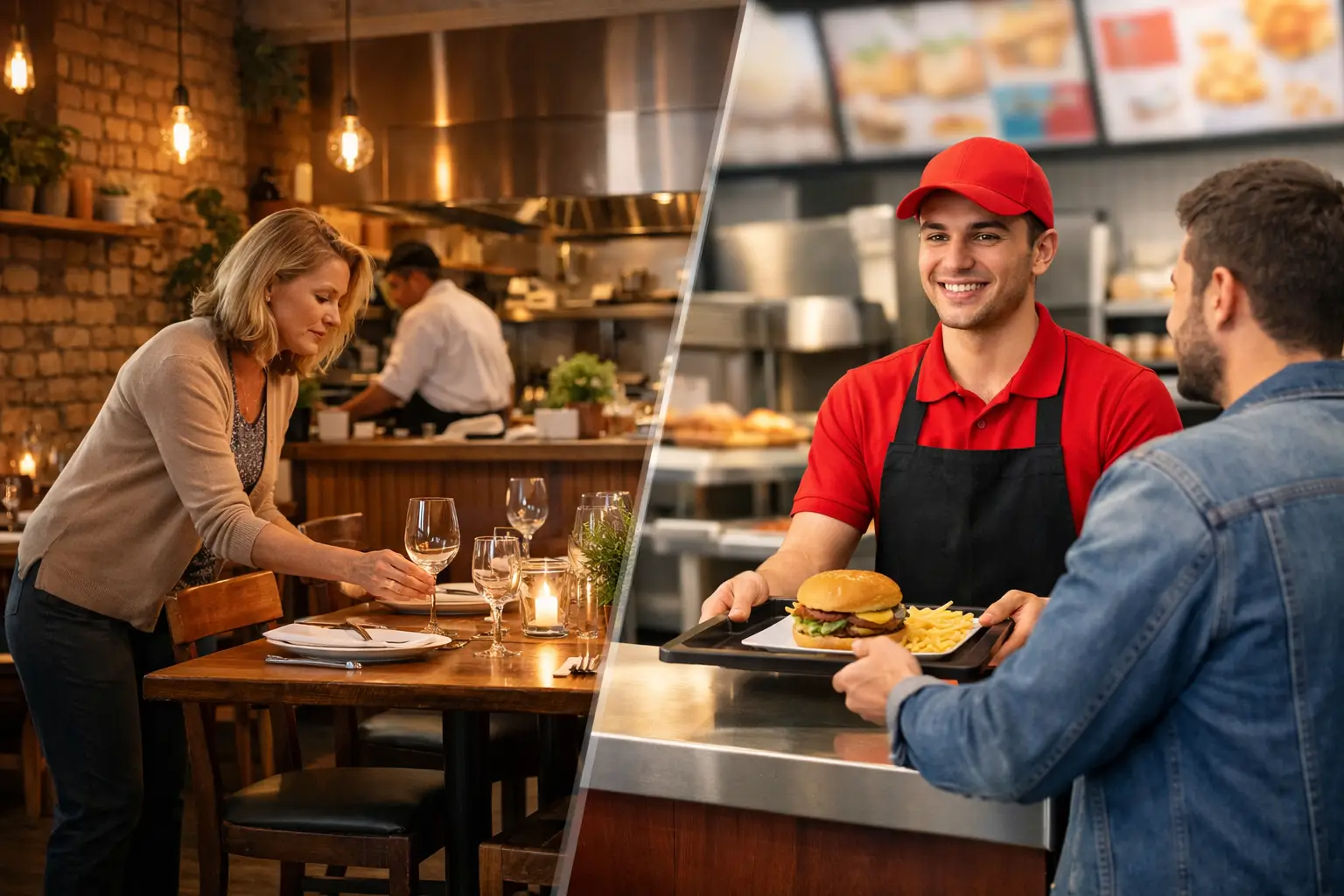
A turnkey independent restaurant often suits a buyer who wants immediate operations, local flexibility, and the opportunity to improve an existing business through better execution. It can be especially compelling when the location is proven, the lease is secure, financial records are credible, and the current concept has room to grow.
A franchise may make more sense for a buyer who values systems, recognized branding, formal training, and a standardized model. It can also suit experienced multi-unit operators who know how to manage labor, compliance, and unit-level performance across a defined platform.
The wrong reason to buy either is convenience. A turnkey restaurant is not automatically ready for absentee ownership, and a franchise brand does not guarantee customer demand or profit. Restaurant performance still depends on site selection, labor discipline, food cost control, leadership, guest experience, and adequate working capital.
Before making an offer, define the operating role you want to play after closing. Then match that role to verified cash flow, lease quality, capital requirements, and the restrictions you are willing to accept. Arizona Restaurant Sales can help buyers evaluate restaurant opportunities through that transaction-focused lens, rather than relying on labels alone.
The better acquisition is the one whose economics you can verify, whose obligations you can carry, and whose operating model you are prepared to run on the day the keys change hands.