


16 Oct Profitable Restaurant Concepts in Arizona to Watch
A restaurant can look busy and still produce thin cash flow. When buyers search for “profitable restaurant concepts Arizona,” the better question is not which cuisine is currently popular. It is which operating model can produce dependable sales, control labor and occupancy costs, and remain attractive when it is time to sell.
Arizona presents real opportunity, but it also exposes weak concepts quickly. High summer temperatures, seasonal traffic patterns, labor competition, patio dependence, delivery economics, and rising occupancy costs all affect a restaurant’s performance. Buyers should evaluate the concept behind the sales numbers, not just the sales numbers themselves.
What Makes a Restaurant Concept Profitable
Profitability starts with the relationship between demand and operational complexity. A concept with a focused menu, repeatable preparation, manageable staffing, and clear customer demand often has more value than a larger operation with higher gross revenue and weaker controls.
For an acquisition buyer, the strongest opportunity is usually a business with documented sales, a functioning team, reasonable rent, and systems that can transfer to a new owner. A concept that depends entirely on the seller’s personality, cooking ability, or unpaid labor may still be viable, but it requires a different valuation and transition plan.
Revenue quality matters as much as revenue volume. Regular lunch traffic, recurring catering accounts, established online ordering, a loyal neighborhood customer base, and a balanced mix of dine-in and takeout sales can create more dependable cash flow than occasional high-volume weekends. The right mix varies by location. A Scottsdale destination restaurant has different drivers than a neighborhood counter-service operation in Chandler or Mesa.
Profitable Restaurant Concepts Arizona Buyers Should Evaluate
No category is automatically profitable. Execution, lease terms, labor model, and local competition will decide the outcome. Still, several concepts tend to offer practical advantages for buyers seeking established Arizona food-service businesses.
Counter-Service and Fast-Casual Concepts
Fast-casual restaurants remain attractive because they can combine strong average ticket potential with a lower labor requirement than full-service dining. Customers expect quality food, speed, online ordering, and a clean, convenient experience. The most durable models have a tight menu, limited prep variation, and ingredients that work across multiple items.
Mediterranean, Mexican, poke, Asian bowl, salad, sandwich, and specialty grilled concepts can fit this model. The cuisine is less important than the operating discipline. A menu with too many proteins, sauces, and one-off ingredients can turn a simple counter-service business into a food-cost problem.
Buyers should review how much sales volume comes from third-party delivery platforms versus direct ordering. Delivery can widen reach, but commission pressure can erode margins. A business with a strong direct online ordering base and reliable pickup traffic may be better positioned than one reporting the same gross sales through expensive delivery channels.
Breakfast, Brunch, and Daytime Cafes
Arizona’s population growth, active lifestyle, and visitor economy support well-positioned breakfast and brunch operations. These businesses can generate strong volume in a concentrated service window, particularly in residential growth areas and high-traffic retail corridors.
The trade-off is straightforward: daytime concepts need excellent execution during peak periods. Labor scheduling, table turns, wait management, and kitchen throughput determine whether a busy Sunday is profitable or simply exhausting. A brunch restaurant with a large menu, full bar program, and seven-day operation can create complexity that does not show up in the concept description.
A more focused cafe or breakfast-lunch operation may offer a cleaner path for a first-time buyer. It can reduce late-night staffing issues and may simplify management, although limited evening hours can cap revenue. Review historical sales by daypart before assuming the schedule is an advantage.
Pizza, Wings, and Neighborhood Delivery Concepts
Pizza remains a durable category because it works across dine-in, takeout, delivery, catering, and family occasions. Established neighborhood pizza businesses can also benefit from repeat local customers and a menu that supports group orders. Wings, sandwiches, salads, and beer can add ticket growth when they are managed without unnecessary inventory expansion.
The key issue is differentiation. Arizona buyers should not assume every pizza shop is interchangeable. A long-standing independent operation with a loyal customer base, favorable lease, and consistent takeout volume may be a strong acquisition. A newer concept facing aggressive chain competition, high delivery reliance, or a weak trade area deserves closer scrutiny.
Equipment condition also matters in this category. Ovens, hoods, refrigeration, grease systems, and point-of-sale infrastructure can represent meaningful capital needs after closing. A lower asking price is not a bargain if deferred maintenance will absorb the buyer’s working capital.
Bars, Taverns, and Food-Forward Social Concepts
A well-run bar or tavern can benefit from beverage margins, repeat local traffic, sports programming, and evening demand. Food-forward concepts can broaden the customer base and reduce dependence on alcohol alone. In the right location, patios, events, games, and entertainment can be meaningful sales drivers.
These opportunities require more diligence than their top-line sales may suggest. Buyers need to understand liquor-license status, transfer requirements, lease restrictions, entertainment permissions, security needs, late-night staffing, and the actual source of sales. A bar that succeeds because of a particular promoter, band schedule, or owner relationship may not transfer cleanly.
For experienced operators, an established tavern with a stable staff and documented beverage mix can be a compelling expansion acquisition. For a first-time owner, a full-service nightlife business can carry more operational risk than a daytime restaurant with simpler controls.
Specialty Dessert, Beverage, and Limited-Menu Shops
Coffee, tea, juice, dessert, bakery, and specialty beverage concepts can offer lower kitchen complexity and a smaller staffing footprint. They may perform particularly well near schools, offices, fitness-oriented retail, and dense residential areas. A limited menu can support consistency and faster training.
However, small footprints do not automatically mean low risk. Beverage concepts often depend heavily on rent discipline, traffic visibility, and frequency of customer visits. Seasonal demand can also be pronounced. A frozen-dessert shop may see excellent warm-weather performance while requiring careful cash management during slower periods.
Before buying, examine sales by month, not only annual revenue. A concept with dramatic seasonal swings needs adequate reserves and a lease structure that can support its slower months.
The Location and Lease Can Change the Investment
In restaurant acquisitions, a profitable concept can become unprofitable under the wrong lease. Buyers should review base rent, common-area charges, annual increases, remaining term, renewal options, exclusivity provisions, use restrictions, and assignment requirements. The lease is often as important as the menu.
The best location is not always the busiest intersection. A high-profile site may bring sales, but it can also bring rent that leaves little margin for error. Neighborhood centers can offer more stable repeat business and a more manageable occupancy cost, especially for concepts built around takeout, family dining, and local loyalty.
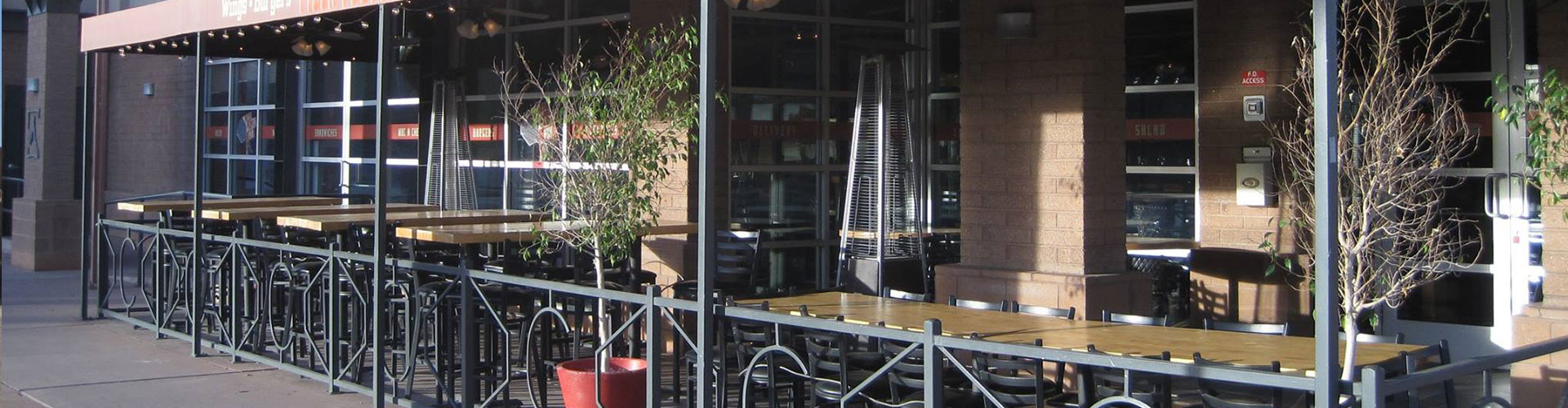
Arizona’s heat also changes location analysis. A patio may be a major asset during parts of the year and far less valuable in peak summer unless shade, cooling, and customer flow are well planned. Drive-thru access, convenient parking, pickup access, and easy delivery routing can be more valuable than a visually impressive storefront.
Buy the Operating Business, Not Just the Idea
A concept should be evaluated through its financial records and daily operations. Request profit-and-loss statements, sales-tax filings, point-of-sale reports, payroll records, vendor invoices, equipment lists, lease documents, and employee information. Then compare the records. If reported sales, bank deposits, and point-of-sale activity do not align, the buyer needs an explanation before moving forward.
Owner benefit also deserves careful analysis. A restaurant may show attractive cash flow because the owner works sixty hours per week, handles purchasing, covers shifts, and performs repairs without charging the business for that labor. A buyer who plans to hire a general manager must adjust the expected return accordingly.
The same principle applies to staffing. A business with low turnover, trained shift leads, and documented procedures is more transferable than one where every employee reports directly to the seller. That transferability can support value, reduce closing risk, and make the business more marketable in a future sale.
Match the Concept to the Buyer
The right acquisition is not necessarily the concept with the highest projected margin. An experienced multi-unit operator may have the infrastructure to improve purchasing, marketing, and labor scheduling across a larger full-service restaurant. A first-time buyer may be better served by a proven counter-service business with a straightforward menu and a manageable number of employees.
Buyers should be candid about their capital, operating background, hours they can commit, and tolerance for volatility. Sellers should position their business around the same realities by documenting systems, clarifying the lease, presenting clean financials, and showing where the next owner can create value without making unsupported promises.
The strongest restaurant opportunities are rarely defined by a trendy menu alone. They are businesses where the concept, site, staff, financial records, and lease work together. A careful review before an offer can protect the buyer’s capital and give the next owner a practical foundation for growth.