

20 Oct Bar Asset Sale: What Buyers and Sellers Must Know
A bar asset sale can put an experienced operator into a built-out location faster than opening from scratch. It can also help a seller exit without transferring company liabilities, old vendor disputes, or obligations that do not belong to the next owner. The distinction matters: buyers are purchasing selected business assets, not automatically taking over the legal entity or every obligation attached to it.
For both sides, the opportunity is in the details. A bar with working refrigeration, furniture, sound equipment, point-of-sale systems, lease rights, trained staff, and a favorable location can be highly marketable. But a deal described simply as “asset sale” leaves several questions that must be answered before a buyer can evaluate the true cost of entry.
What Is Included in a Bar Asset Sale?
In an asset transaction, the purchase agreement identifies exactly what the buyer is acquiring. This commonly includes furniture, fixtures, equipment, smallwares, inventory, trade names, recipes, websites, phone numbers, social media accounts, and certain assignable contracts. The buyer may also acquire the seller’s interest in the premises through a lease assignment or negotiate a new lease directly with the landlord.
What is not included can be just as significant. Cash on hand, accounts receivable, corporate bank accounts, tax refunds, and liabilities generally stay with the seller unless the agreement says otherwise. That structure can reduce risk for a buyer, but it does not eliminate the need for diligence. Unpaid sales taxes, liens on equipment, lease defaults, and vendor claims can still create practical problems if they affect the assets or the ability to operate at the location.
The liquor license requires special attention. In Arizona, the ability to serve alcohol depends on the applicable license, ownership structure, premises, and regulatory approvals. A buyer should not assume that a liquor license transfers automatically just because bar equipment and inventory are included in the sale. The transaction timeline should account for required applications, approvals, and any conditions imposed by the landlord or licensing authorities.
Why Sellers Choose an Asset Sale
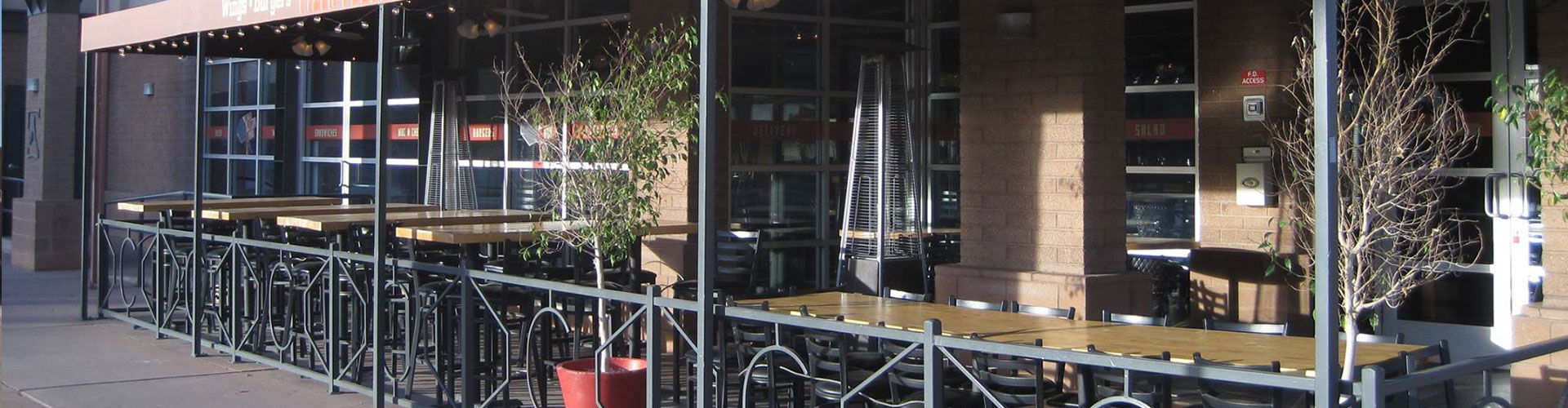
For a seller, an asset sale is often the cleanest way to market a closed, underperforming, or repositionable location. The business may have value even when its financial history does not support a premium for goodwill. A desirable Scottsdale cocktail bar, for example, may attract buyers because of its buildout, patio, lease terms, kitchen capacity, or entertainment setup rather than its prior operating results.
This structure can also preserve confidentiality during marketing. Rather than broadly announcing that an operating business is struggling or closing, a seller can position the opportunity around the tangible investment already in place and the location’s potential for a new concept.
That said, sellers should be realistic about valuation. Buyers do not usually pay replacement cost for every item in the building. A $40,000 walk-in cooler that is nearing the end of its useful life will not command its original purchase price. Custom decor may be essential to one concept and nearly worthless to another. The strongest asset-sale listings explain the condition, age, utility, and replacement value of major equipment while connecting those assets to a practical operating opportunity.
When goodwill still has value
An asset sale does not mean goodwill has no value. If a bar has a recognized name, strong customer following, proven sales, favorable online reputation, recurring events, or established relationships with suppliers and promoters, those factors can support a goodwill component. The buyer is simply acquiring that value through specified assets and rights rather than purchasing the seller’s entity.
The key question is whether the revenue can reasonably continue after ownership changes. A venue built around one owner, one performer, or one short-term trend may have less transferable goodwill than a neighborhood bar with durable traffic and consistent operating systems.
How Buyers Should Evaluate the Opportunity
A buyer should start by separating the asking price from the total capital required to open or continue operating. The purchase price may only be the first check. Lease deposits, legal and licensing costs, initial inventory, payroll, insurance, repairs, marketing, working capital, and permits can substantially increase the cash needed before the first month of operations.
Review the asset list line by line. Major equipment should be tested where possible, not merely photographed. Confirm ownership of each item, identify leased or financed equipment, and ask whether any liens must be released at closing. If the sale includes a point-of-sale system, verify that hardware, subscriptions, merchant processing arrangements, historical data, and access credentials can be transferred or replaced without disrupting service.
The premises can be more valuable than the equipment. Buyers should closely review the lease term, renewal options, base rent, common area charges, rent escalations, personal guarantee requirements, permitted use language, patio rights, signage rights, exclusivity clauses, and landlord approval process. A well-equipped bar can become a poor acquisition if the remaining lease term is too short or the rent structure does not leave room for sustainable margins.
For an operating bar, request enough financial information to understand sales patterns and cost pressure. Monthly sales by category, payroll, rent, liquor cost, beer cost, food cost, entertainment expenses, and repair history are more useful than a single annual revenue figure. If the business is closed, buyers should underwrite it as a startup in an existing shell, not as a proven cash-flow acquisition.
Pricing a Bar’s Assets Without Guesswork
A credible asking price usually combines three ideas: the fair market value of usable equipment and fixtures, the value of transferable goodwill if supported by operations, and the strategic value of the location and lease. These components should not be treated as interchangeable.
Equipment value is generally based on age, condition, resale demand, and removal cost. A complete kitchen or bar package may be worth more in place than at auction because the buyer avoids demolition, transportation, permitting delays, and installation expense. Conversely, obsolete draft systems, damaged furniture, or highly specialized decor may have limited value despite a high original cost.
Location value depends on the concept and buyer profile. A late-night venue in a dense entertainment district may appeal to a different buyer than a neighborhood sports bar with ample parking. In Phoenix Metro, trade area demographics, daytime traffic, nearby residential growth, event demand, and competing concepts can all influence buyer interest. The right valuation is not just an inventory total. It reflects how quickly a qualified buyer can turn the assets into a functioning business.
Terms That Protect Both Parties
The asset purchase agreement should be specific. Broad phrases such as “all assets related to the business” invite disagreement. A detailed schedule should identify included equipment, inventory treatment, intellectual property, deposits, assumed contracts, excluded assets, and any items the seller will remove before closing.
Inventory is commonly counted near closing and purchased separately at cost, subject to agreed categories and exclusions. This is especially relevant for liquor, beer, wine, food, and retail merchandise. Both parties should define how expired, damaged, opened, or slow-moving inventory will be handled.
Conditions to closing may include landlord consent, financing, lien releases, license-related approvals, inspections, and delivery of required records. Sellers generally want a committed buyer with proof of funds and a clear timeline. Buyers need enough contingencies to confirm that the location, assets, and regulatory path support their intended concept. The right balance depends on the deal, but ambiguity rarely benefits either side.
Preparing a Sale That Attracts Serious Buyers
Sellers can improve marketability before listing by organizing asset records, service histories, warranties, lease documents, licenses, permits, utility information, and a current inventory list. Clean equipment, corrected maintenance issues, and professional photos matter because buyers often make an initial decision before a site visit.
Pricing should leave room for a credible transaction, not an extended negotiation based on an inflated replacement-cost estimate. A specialized hospitality broker can help frame the opportunity around the assets that genuinely create value, identify likely buyer profiles, and manage confidentiality while qualifying interest. Arizona Restaurant Sales approaches these transactions with that operational lens, not as a generic business listing.
A well-structured bar asset sale gives the seller a defined exit and gives the buyer a practical starting point. The best deals are built on a precise asset list, realistic pricing, a workable lease, and enough diligence for the buyer to operate with confidence after closing.